
About Iconnel Tea Products
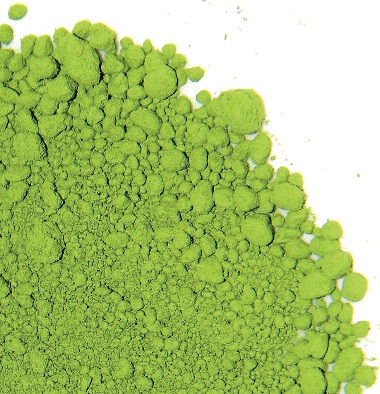
Matcha (抹茶)
Matcha, used for the tea ceremony, is super-fine powdered tea made from dried sugar beet tea (ten-cha).
There are two types of matcha – koi-cha (dark green in color) and usu-cha (bluish-green in color). It is made in “yakushi” (expert tea apothecaries) by blending ten-cha tea leaves of varying quality (all harvested in the same year). The blending ratio varies from yakushi to yakushi. Matcha is the closest of all Japanese teas to the original tea that was imported from China over 1200 years ago. Now it is often used as a food additive. It’s refreshing, sweet and bitter taste complements the sweetness of sugar and in recent years has become popular as an ice cream flavor.
General preparation instructions Matcha:
2g for 80ml
of water. Ideal temperature:
176–194 F (80–90 C).
Bring water to rolling boil and then lower it to recommended temperature. Use bamboo spoon to scoop tea. Use bamboo whisk to thicken liquid and create foam top.
Drink immediately.

Gyokuro (玉露)
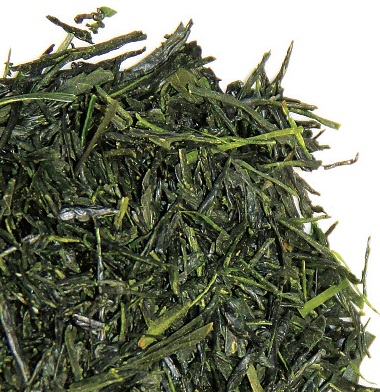
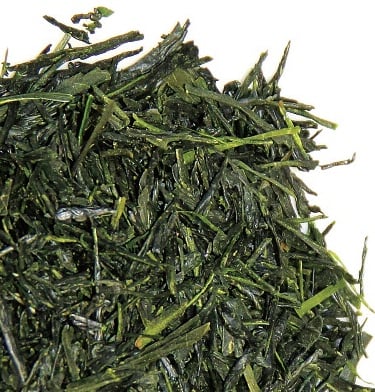
Gyokuro is produced using the “covered cultivation method” – In this process the entire tea garden is covered with reed screens for approximately 20 days prior to harvesting to block out sunlight. The covered cultivation method was first employed in 15th century. This results in increased amino acid (L-Theanine) and reduced catechin (tannic acid) contents in tea leaves. This gives gyokuro a unique, seaweed-like aroma and sweet taste.
General instructions for preparing Gyokuro:
5g to 50ml of water.
Ideal temperature: 122–140 F (50–60 C).
Bring water to rolling boil and then lower it to recommended temperature. Let steep for 2 minutes. Leaves can be re-used 2 times. Also: Afterwards, you can eat leaves with Ponzu, Wafu, or some other dressing/sauce.
Sencha (煎茶)
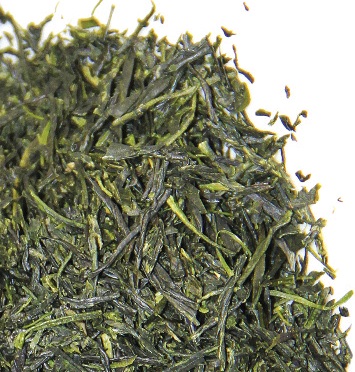
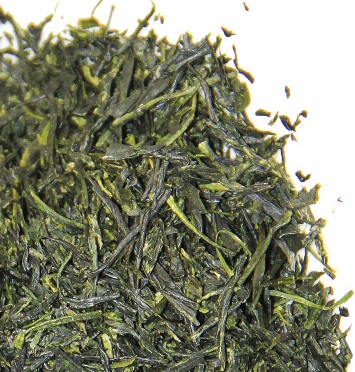
Sen-cha employs a highly unique production method whereby the tea leaves are steam-processed to devitalize their enzymatic content. Unlike the other teas, this tea is grown in full sunlight.
General instructions for preparing Sencha:
5g to 100ml of water.
Ideal temperature: 158–176 F (70–80 C).
Bring water to rolling boil and then lower it to recommended temperature. Let steep for 1 minute. Leaves can be re-used 2 times.
Contact
Reach out for Japanese tea inquiries.
Toll Free: 1.800.915.4266 or 1.646-415-8818
Monday - Friday: 9 a.m. - 5 p.m. EST
info@iconnel.org
ICONNEL INC
PO BOX 980
New York, NY 10018
© 2026. All rights reserved.
"You, who desire long life, it would be better if you desired good life." - St. Augustin